
Altea is a white, quiet, slightly bohemian town of winding streets, art galleries, blue sea and an unhurried pace of life, with no shortage of things to do — from the beach to active and cultural pursuits.
Why visit Altea?
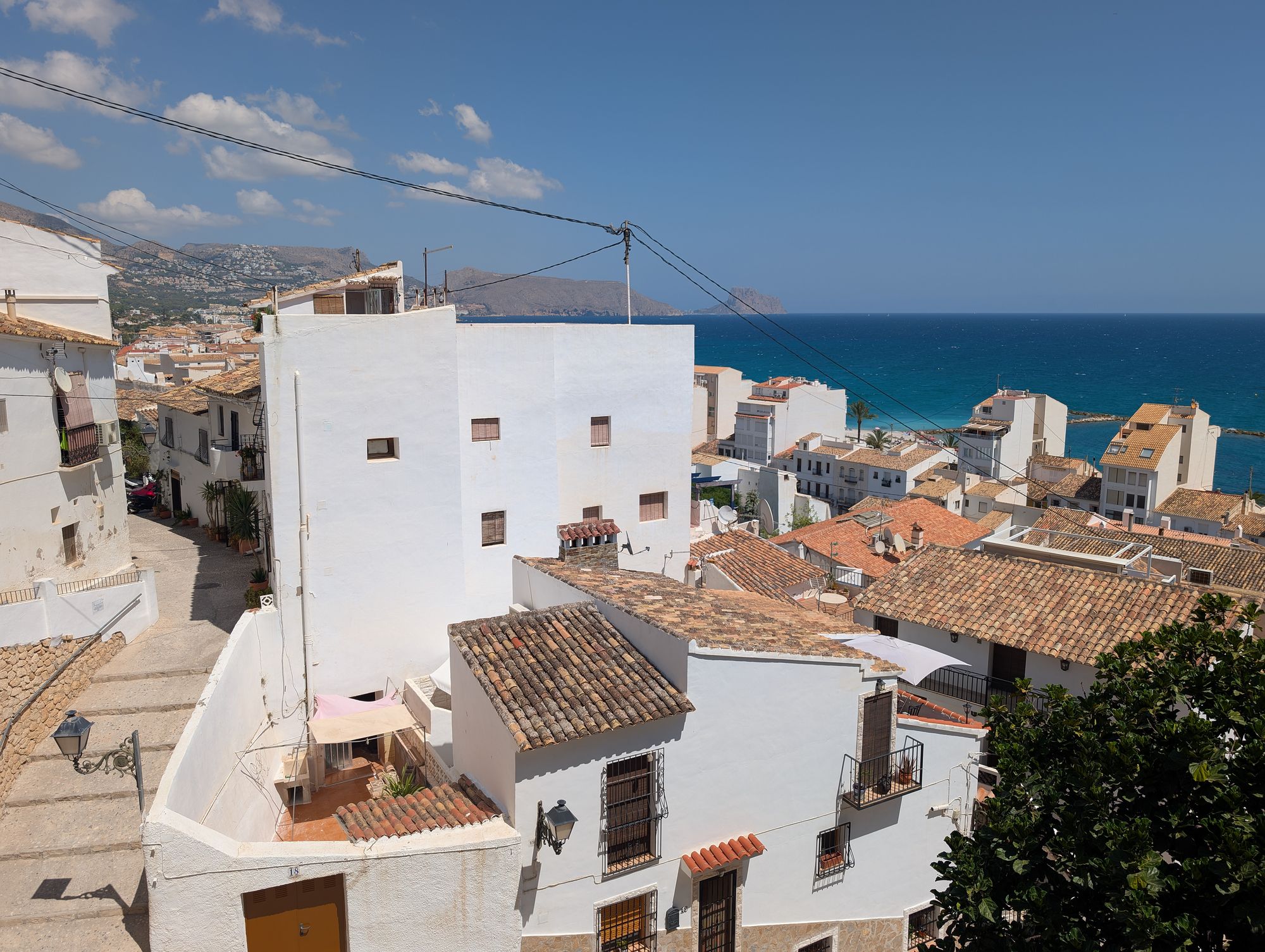
Altea is nothing like the typical Costa Blanca resorts. There are no high-rise hotels here and none of the big-town bustle — the buildings are mostly low, and in the historic centre white houses tumble down the hillside straight to the sea. That is why the town keeps the feel of a small Mediterranean village, where a beach holiday can be combined with walking, art, food and nature.
And it is exactly this combination — beautiful architecture, the sea, nature, art and a slow rhythm of life — that makes Altea one of the most interesting towns on the Costa Blanca.
Altea’s Old Town
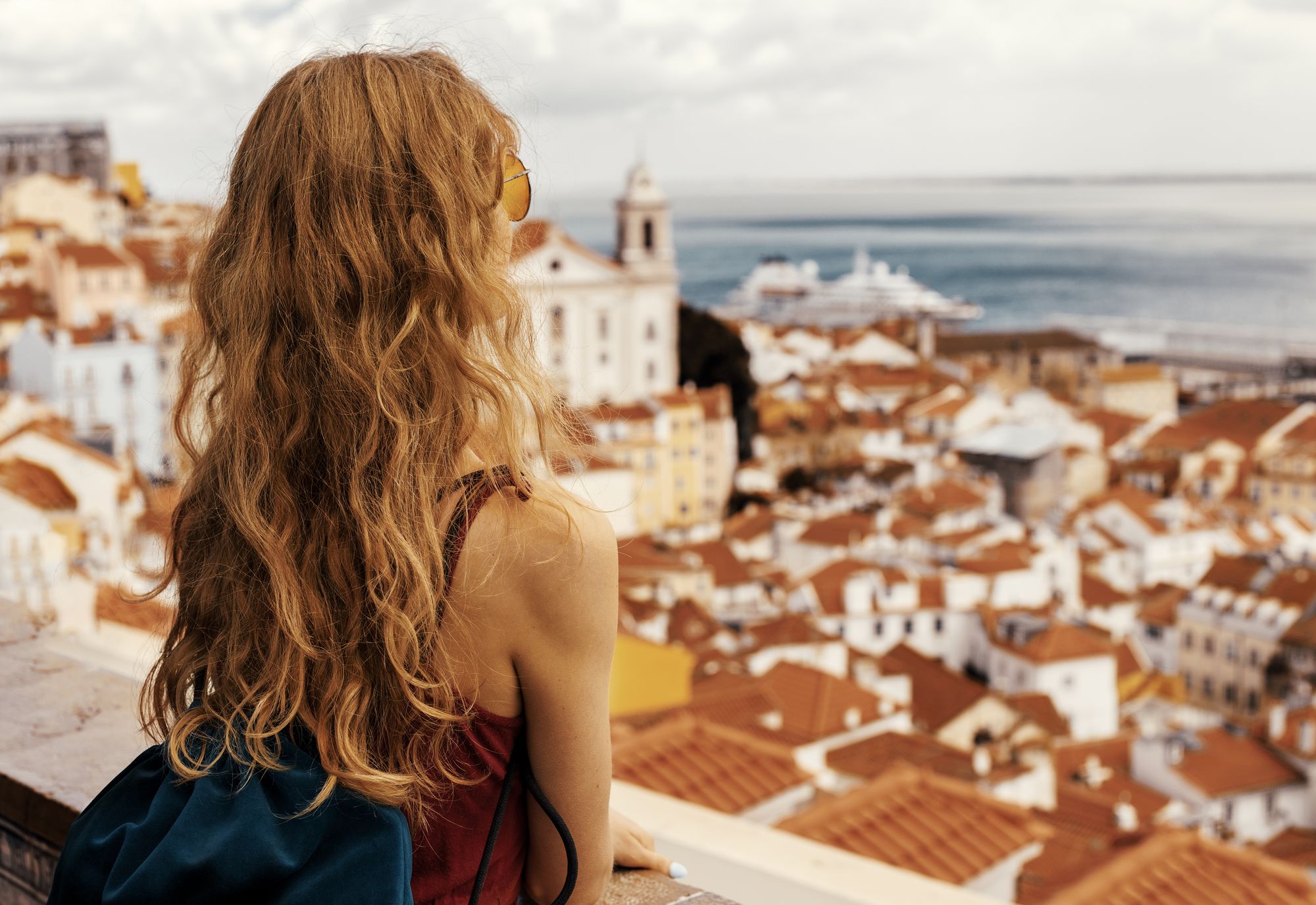
Altea’s old town — the Casco Antiguo — is its historic centre. This is where the character of the place comes through most strongly: narrow white streets, stone staircases, small squares and houses climbing the slopes of the hill.
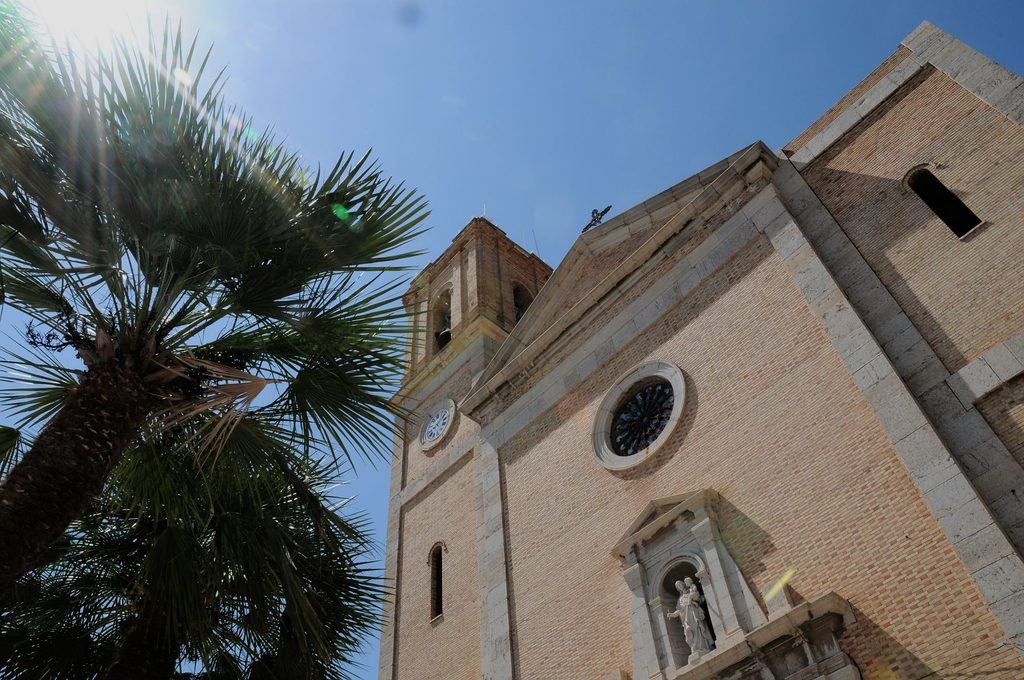
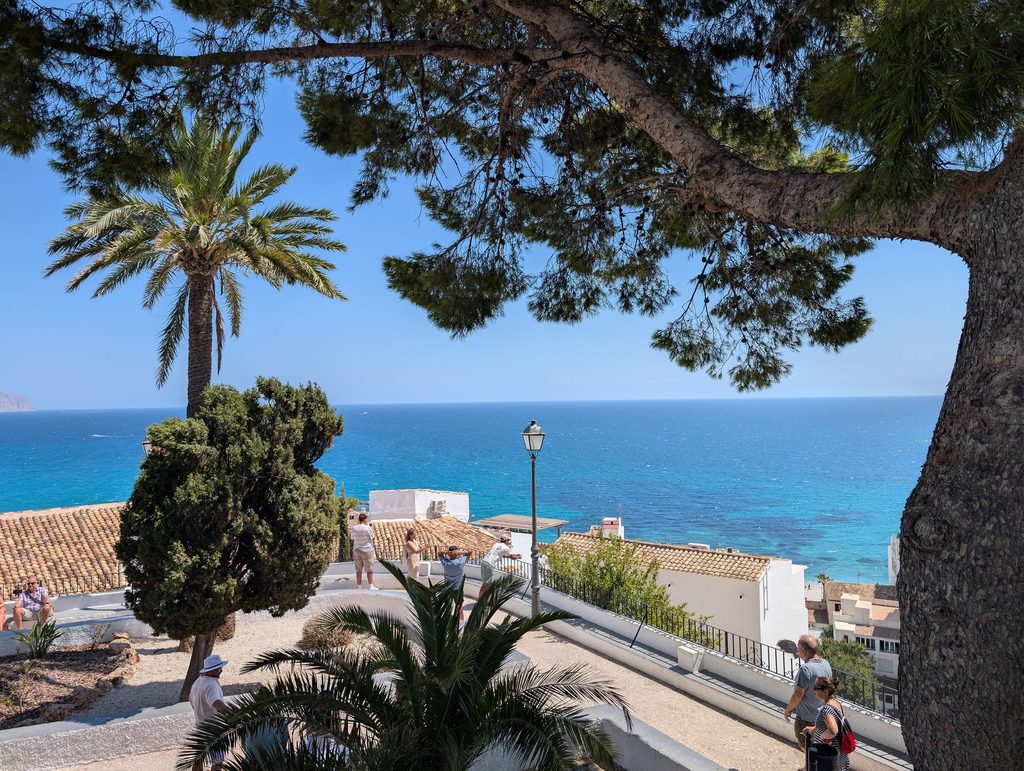
One of the main symbols of the old town is the church of Nuestra Señora del Consuelo. It is easy to recognise by its distinctive blue-and-white dome, which can be seen from many points around Altea. The historic centre still carries the marks of an old fortified town. Here you will find quiet terraces with sea views, the ancient town gates — Porta Vella and Portal Nou — and Bellaguarda, a former 16th-century watchtower.
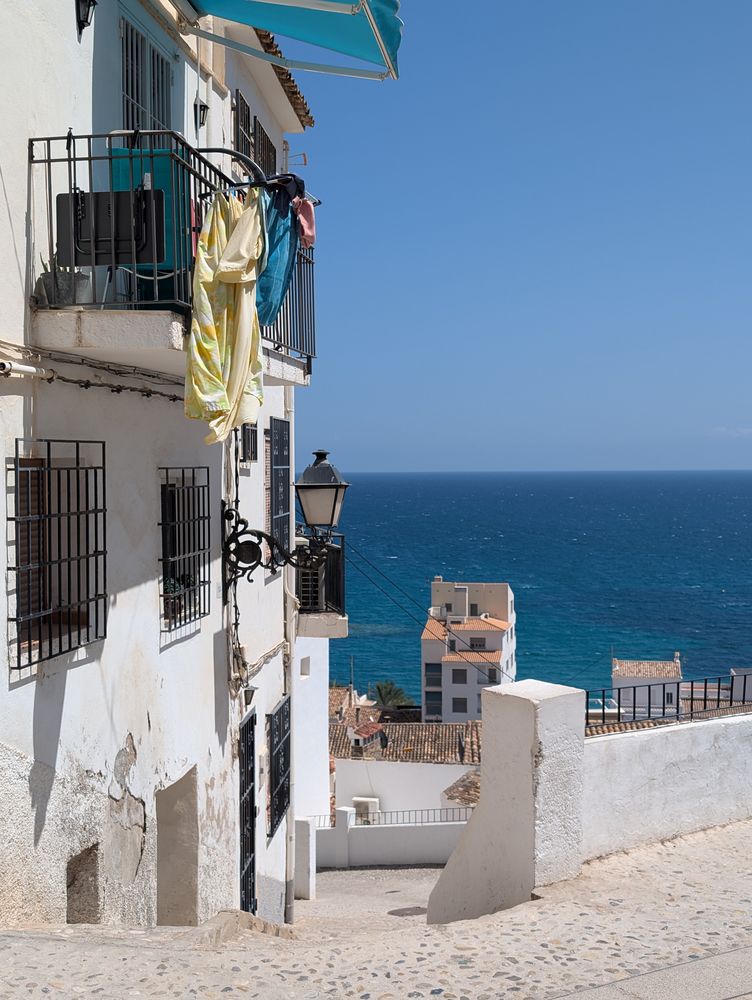
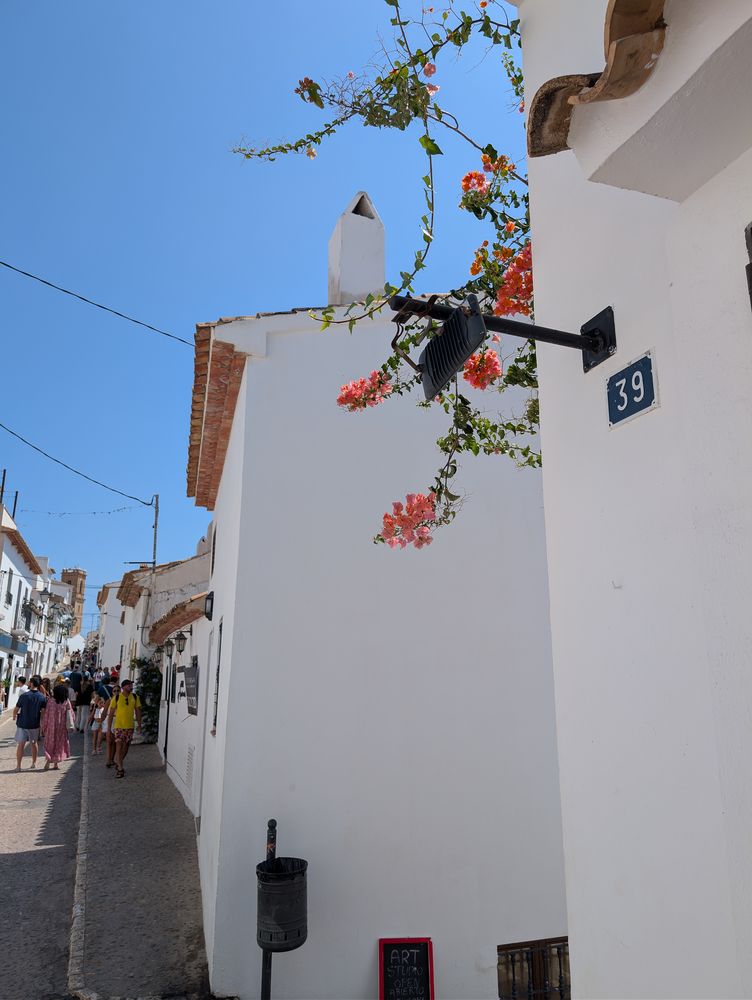
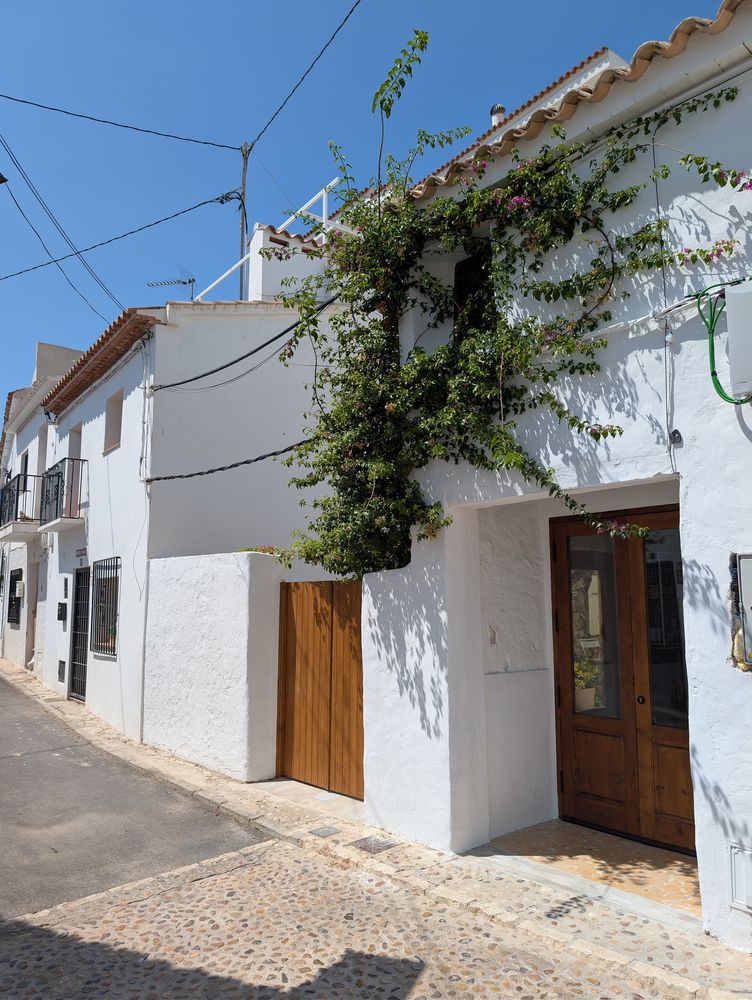
There is even a theory that the name Altea derives from an Arabic word linked to the ideas of “observation”, “watch” or “lookout point”.
Altea — a town of artists
Around the town you will find artists’ studios, galleries and small shops selling one-off, handmade pieces.
Altea’s creative life flourished especially in the 1960s and 1970s. In those years the town began to attract painters, writers, musicians, sculptors and other creative people from many countries. They came not only for a holiday but to live and work, finding inspiration in the Mediterranean light, the sea and the calm rhythm of a small town.
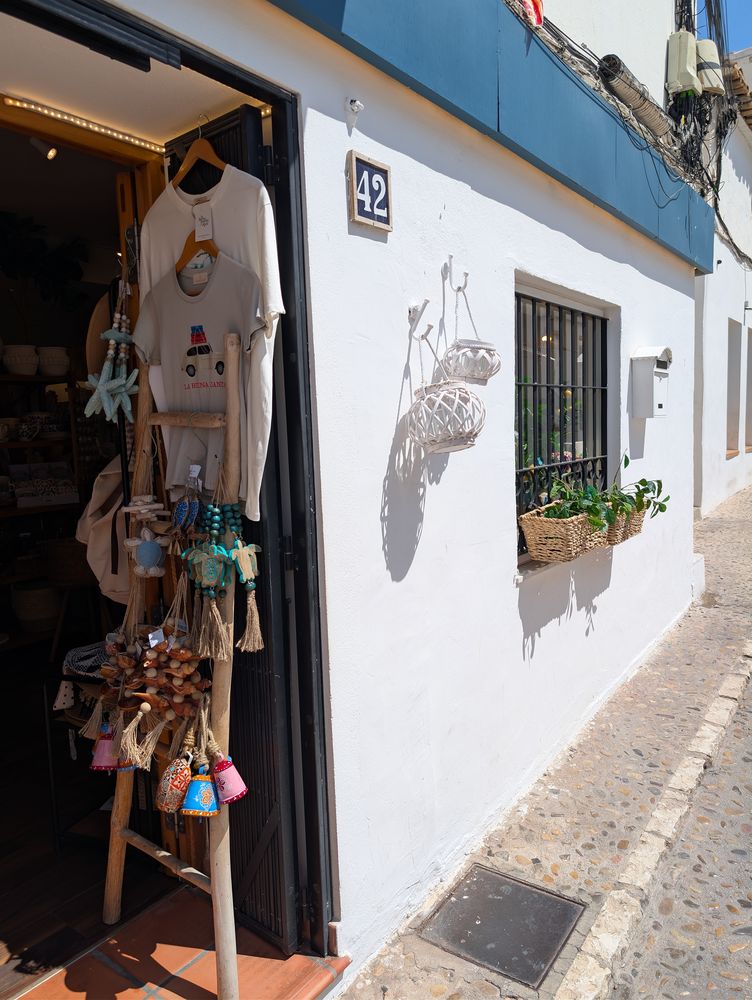
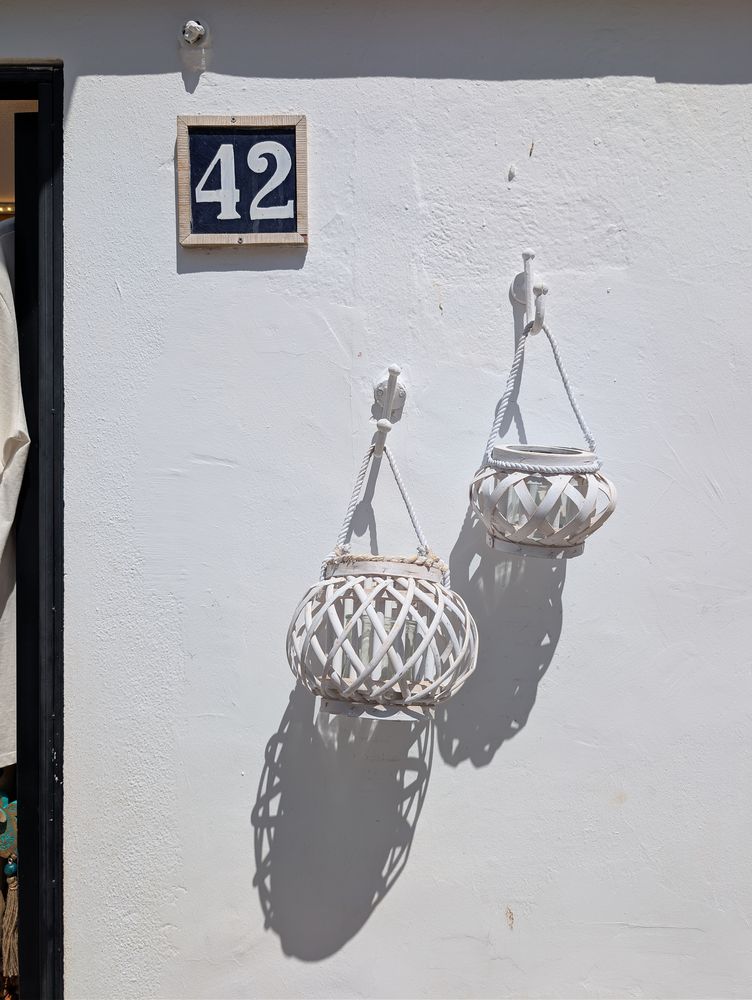
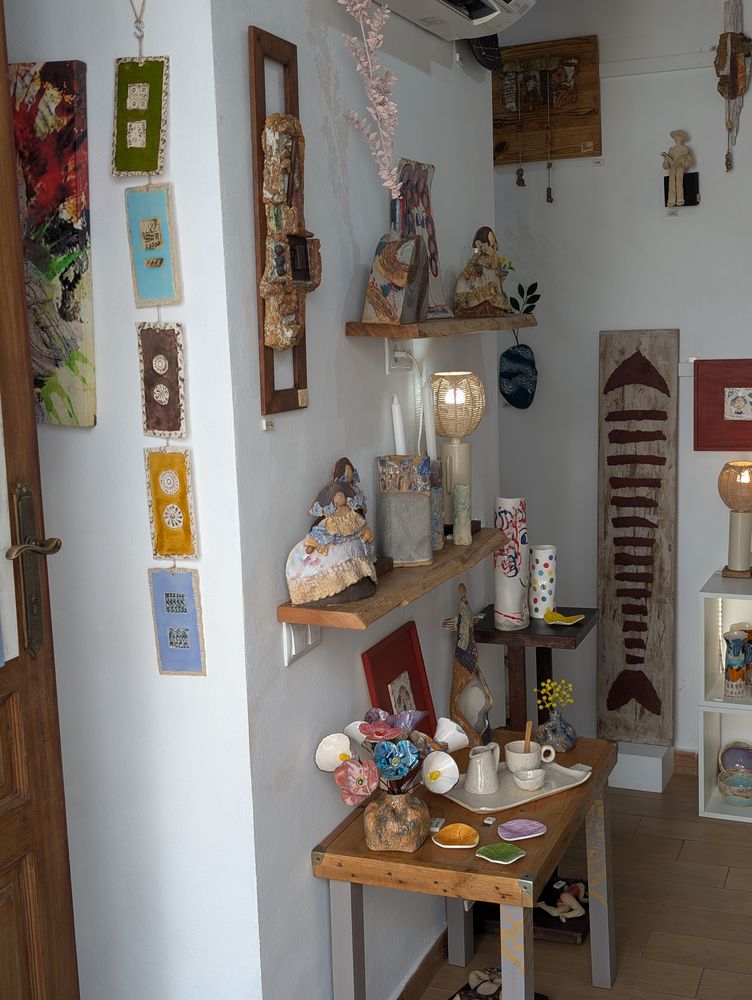
It was largely this period that shaped the bohemian image Altea still carries today.
Beaches and the sea
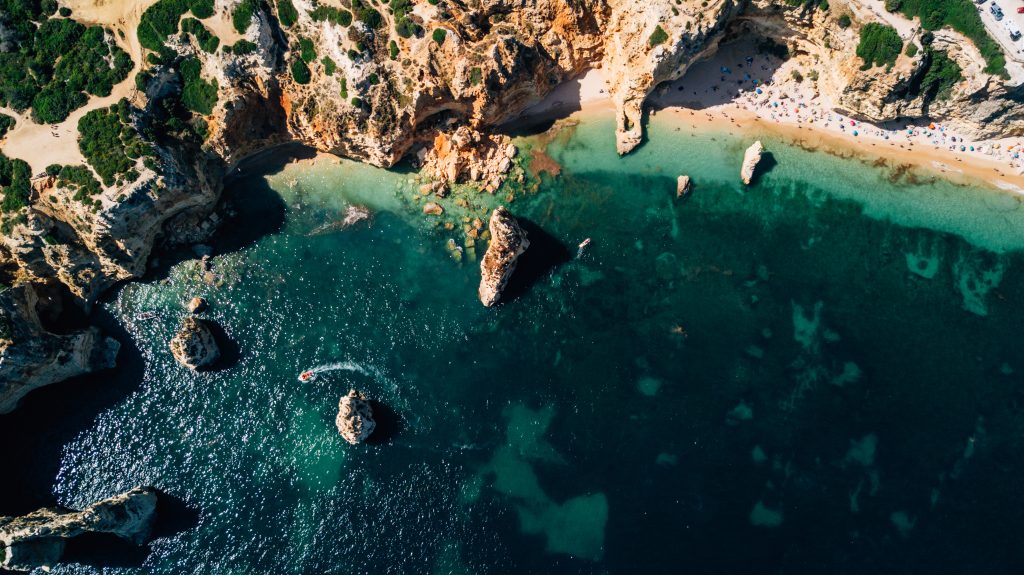
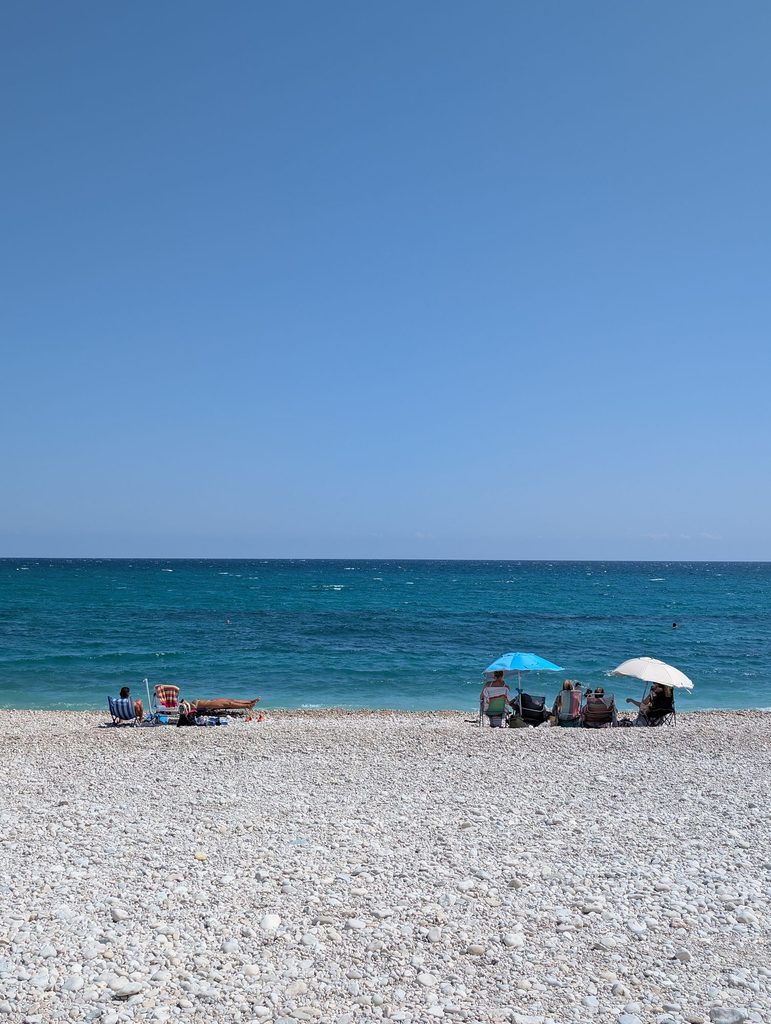
Altea’s coastline is different from many of the sandy beaches of the Costa Blanca. The beaches here are mostly pebble and rock — but the water is astonishingly clear and azure.
Among Altea’s best-known beaches are Cap Negret, Cap Blanc, La Roda, L’Espigó and La Olla. Each has its own character, but La Olla is particularly interesting. A small island lies just off the shore, and in good weather you can reach it by swimming or by kayak. It is another way to see Altea not only from the shore, but from the sea.
The prime meridian
One of the more unexpected facts about Altea is Marina Greenwich, named after the prime meridian. This is where the notional line of 0° longitude runs, dividing the Earth into the eastern and western hemispheres.
It can be a pleasant surprise while travelling: you think you have simply arrived in a Mediterranean town, and you find yourself in a place tied to the coordinate system of the entire planet. A small but curious detail of Altea.
When to go to Altea
Altea is beautiful at any time of year, but each season reveals it differently.
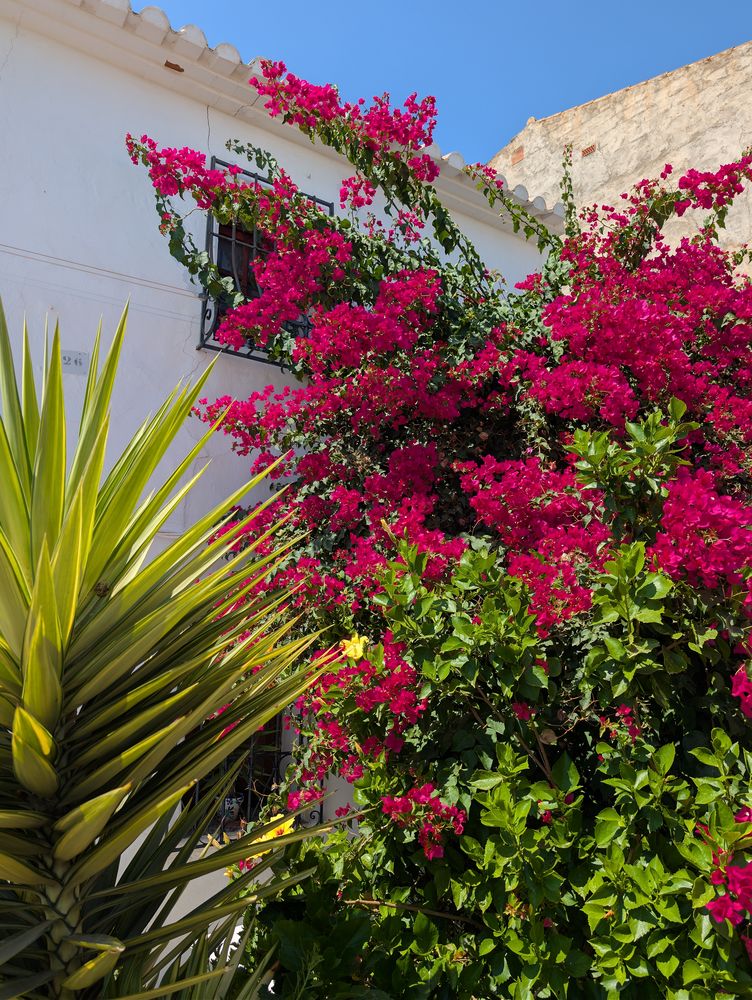
In summer the town comes alive with visitors: open restaurant terraces, shops and all kinds of activities. If a beach holiday is what you are after, this is a great time for the sea, the beaches and the atmosphere of a small Spanish town.
Spring and autumn suit anyone who wants to wander the old town at leisure, explore the surroundings and enjoy Altea without the summer heat or the crowds. In warm years the swimming season here can last considerably longer than at many other European resorts.
Winter in Altea is mild by Mediterranean standards, so the town can be an interesting alternative to the traditional tourist season — or even a place to spend the winter comfortably. Rental prices are usually lower at this time, and up on Altea’s hills you can enjoy a calm pace of life and wonderful views over the Mediterranean.
What to see near Altea
Altea fits easily into a longer trip along the Costa Blanca coast. Just a few dozen kilometres away you can find yourself in a completely different atmosphere — from the skyscrapers of Benidorm to small mountain villages.
Benidorm is close by; locals sometimes call it the Spanish Las Vegas. It is a large resort with an active nightlife, an enormous range of entertainment, long beaches and the high-rise hotels that have become its calling card.
Villajoyosa, by contrast, is thoroughly intimate. It is known for the brightly coloured houses along the seafront, which make up one of the most recognisable images of the Costa Blanca. The town also has a long chocolate-making tradition — the Valor chocolate factory and museum are here.
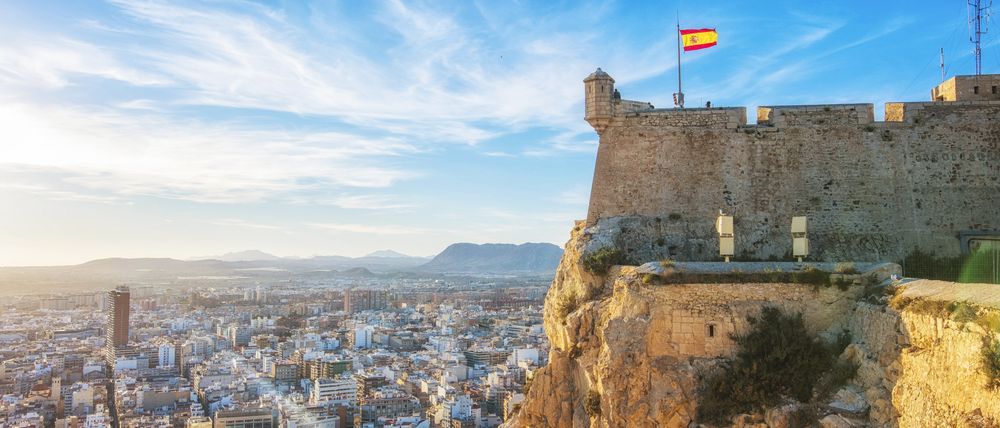
Alicante is a large Mediterranean city with an altogether different rhythm. It is worth strolling along the famous Explanada de España promenade and then climbing up to Castillo de Santa Bárbara on Mount Benacantil, which offers panoramic views over the city, the port and the sea.
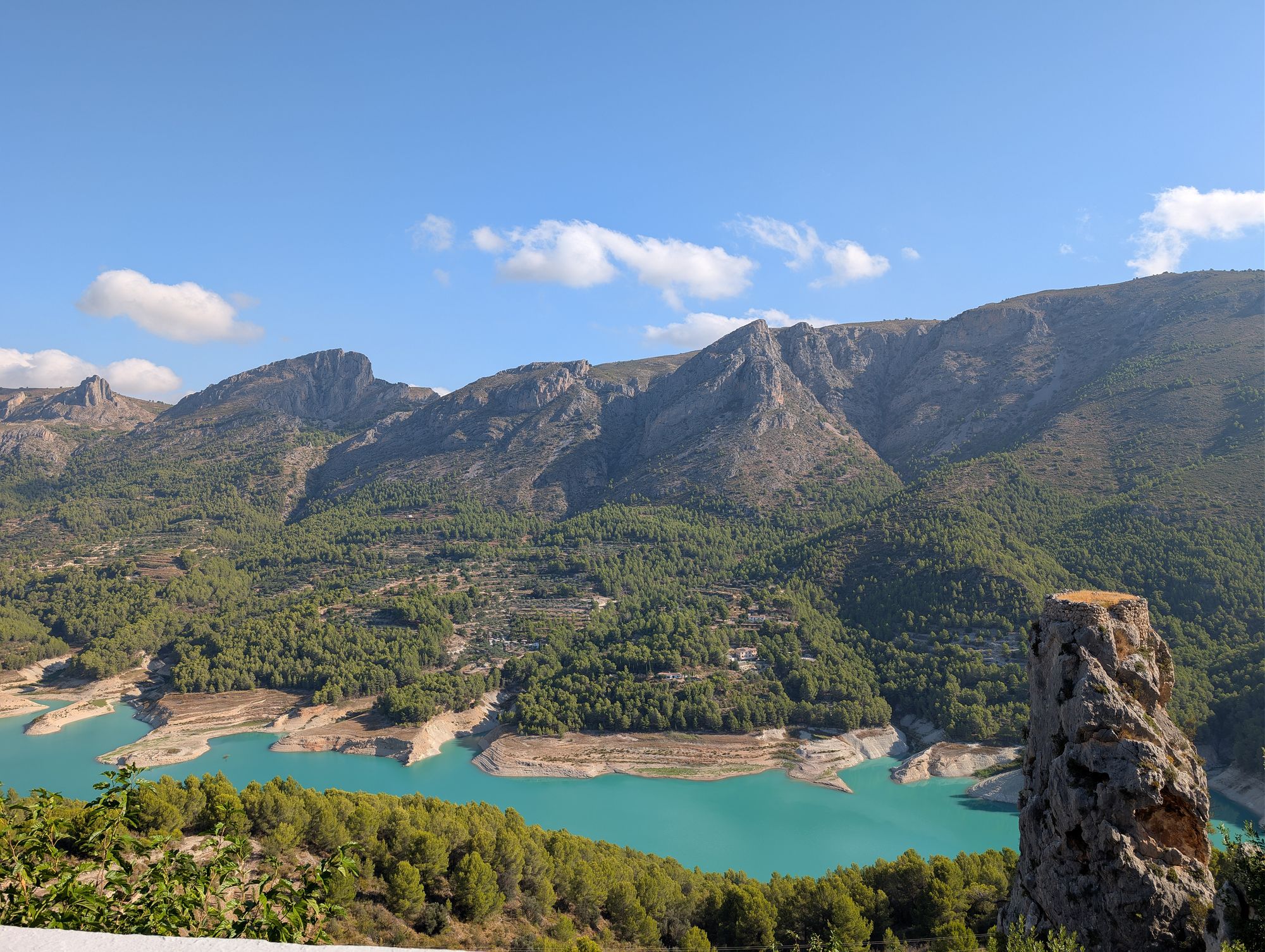
If you want mountains, head to Guadalest, a tiny medieval settlement set high in the hills around an old fortress, with views over a turquoise reservoir and the surrounding peaks.
Another rewarding destination is Calpe, whose main landmark is the vast Peñón de Ifach rock rising straight out of the sea. It is surrounded by a natural park, and the summit offers panoramic views of the coast.
Nature lovers can make for Fonts de l’Algar, a natural park with waterfalls, natural pools and walking trails. It is a particularly welcome spot in summer, when you want to escape the heat and the town.
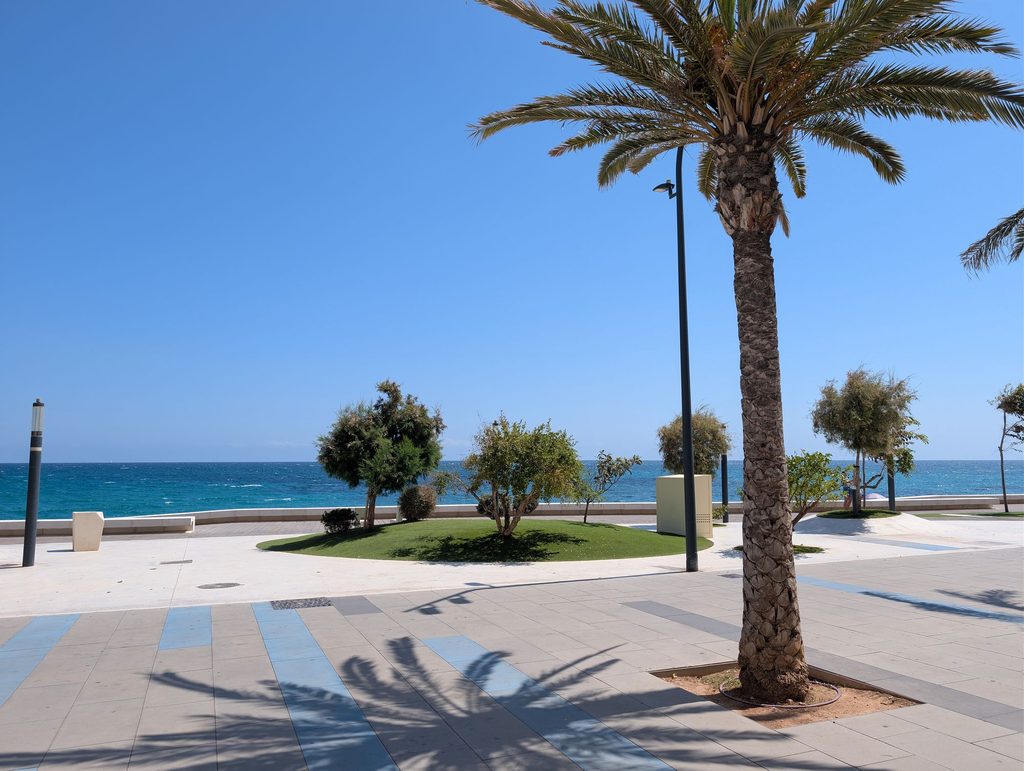
And, of course, Albir is right next door. Following Altea’s seafront promenade in that direction, you can continue as far as the Faro de l’Albir lighthouse in the Serra Gelada natural park. The path runs along the sea and the cliffs and opens up beautiful views of the coastline.
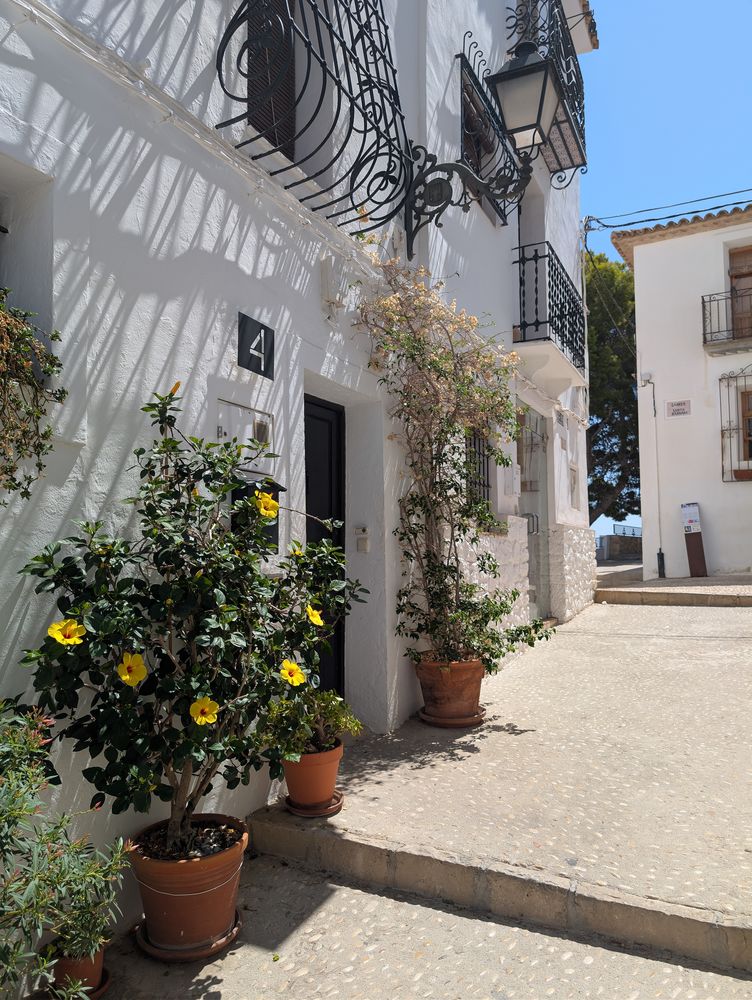
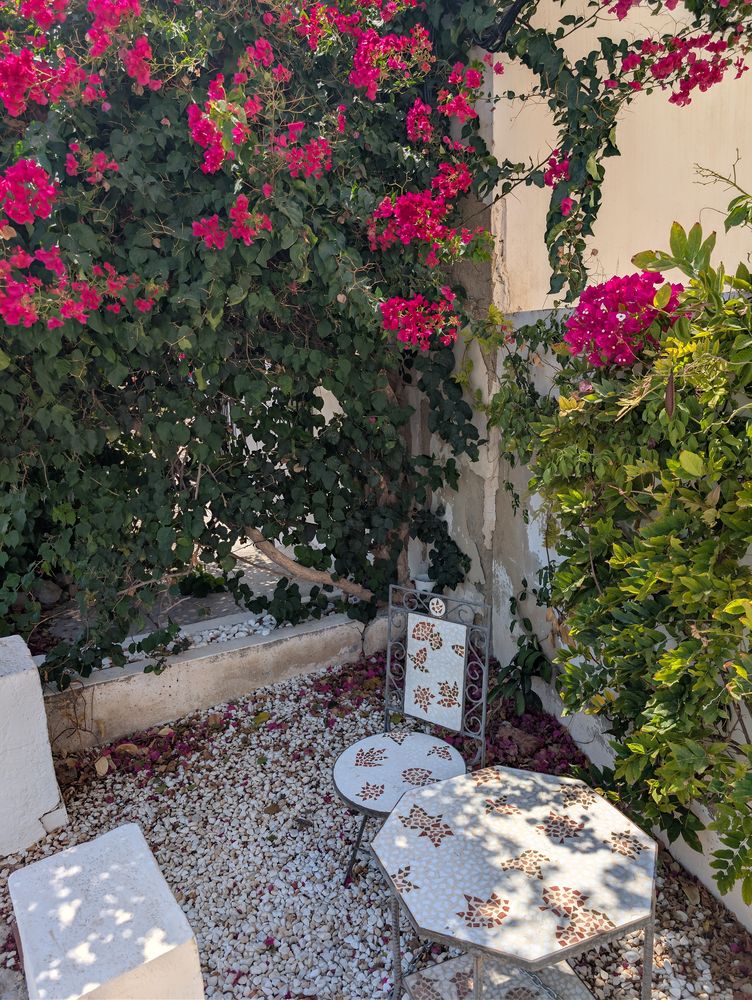
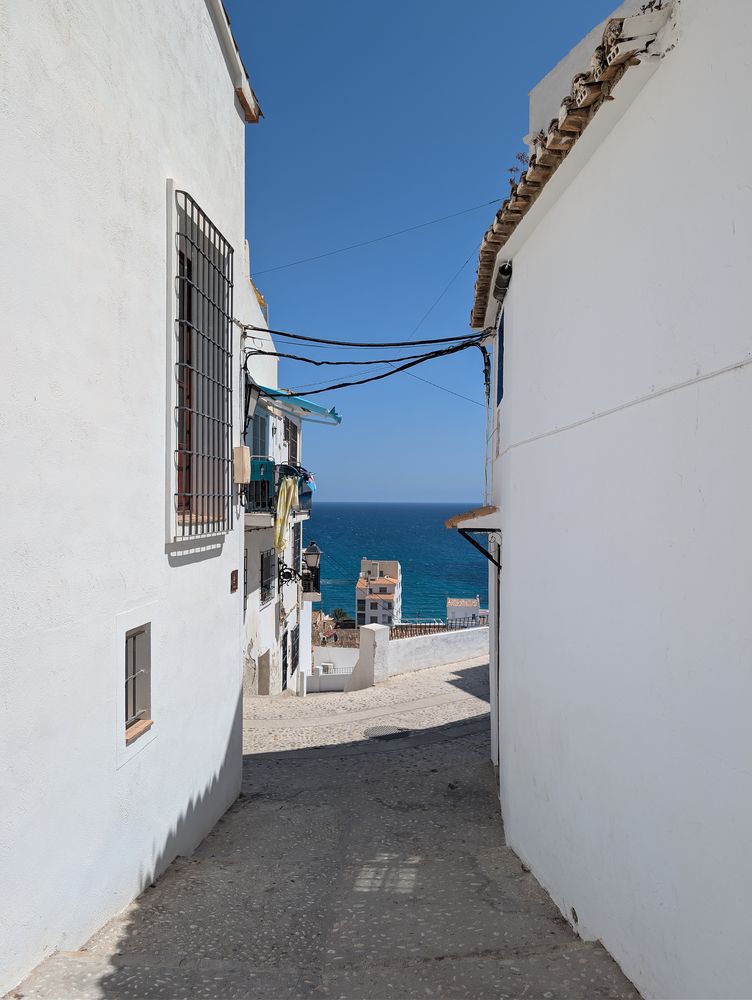
Altea is not just another Costa Blanca resort. You may come for the sea, but you stay for the atmosphere.
You can spend the morning wandering the white streets of the old town, go down to the sea in the afternoon, walk the promenade towards Albir in the evening, and head into the mountains or to one of the nearby villages the next day.
Or you can plan nothing at all.
Have a coffee on a small square. Step into a gallery. Sit by the sea. Climb up to the old town at sunset and watch the last of the light turn the white houses gold.